Brian was a vision control engineer for BBC outside broadcasts with expertise in the planning and installation of broadcast equipment. Brian runs the TV camera museum website, and restores vintage cameras to operation. brian@bttt.org.uk
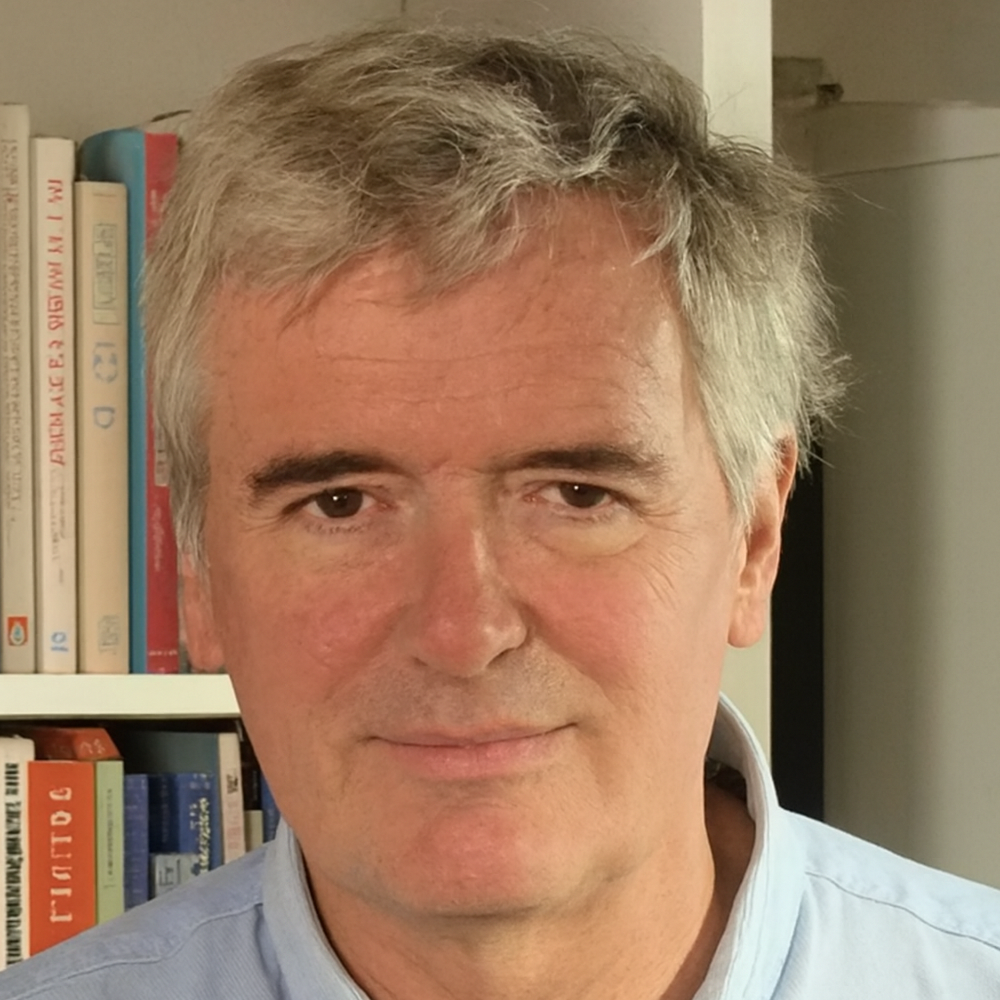
Nick Gilbey is a freelance television producer/director who has had a life-long interest in television outside broadcasts and the technology that has been used to bring live events to a mass audience. Nick@mcr21.org.uk
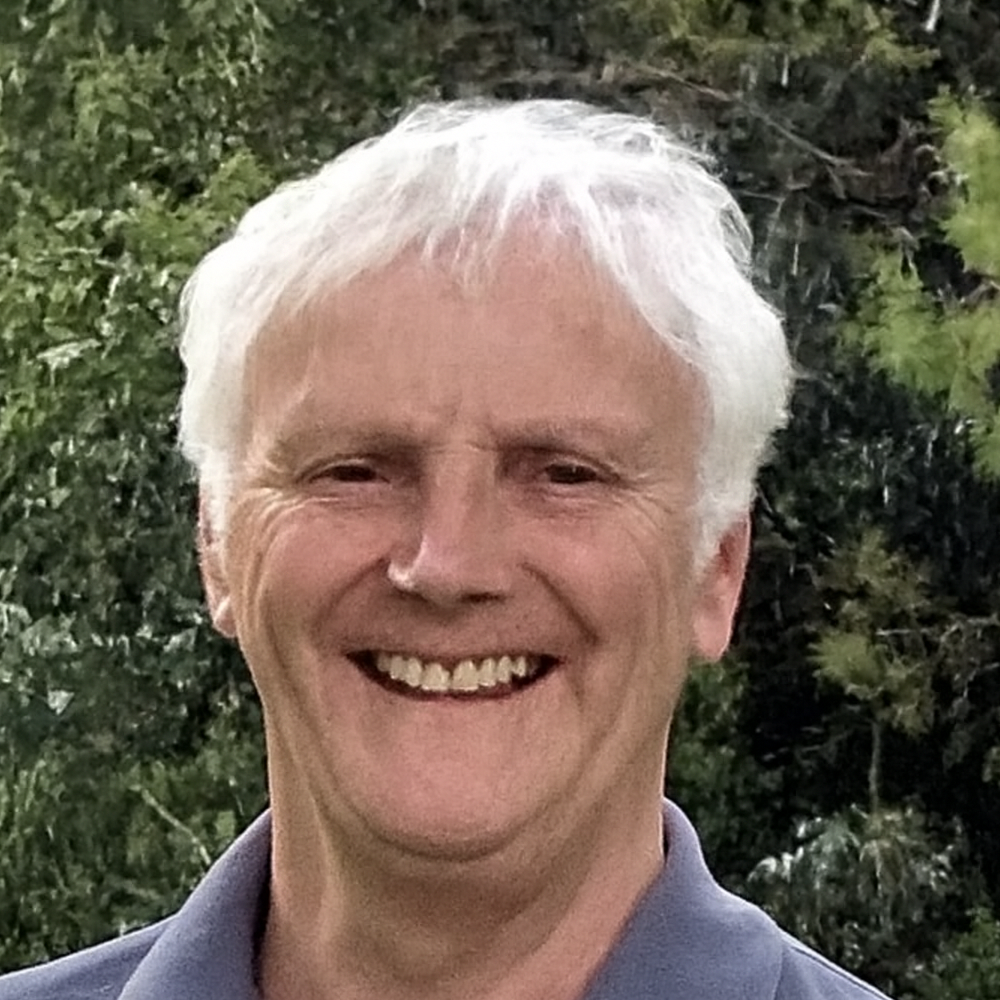
John is a broadcast technology historian and electronic engineer. Before retiring he was the Senior Curator of Television for the Science Museum Group and an advisor to BBC Heritage. He currently works as a freelance sound designer.
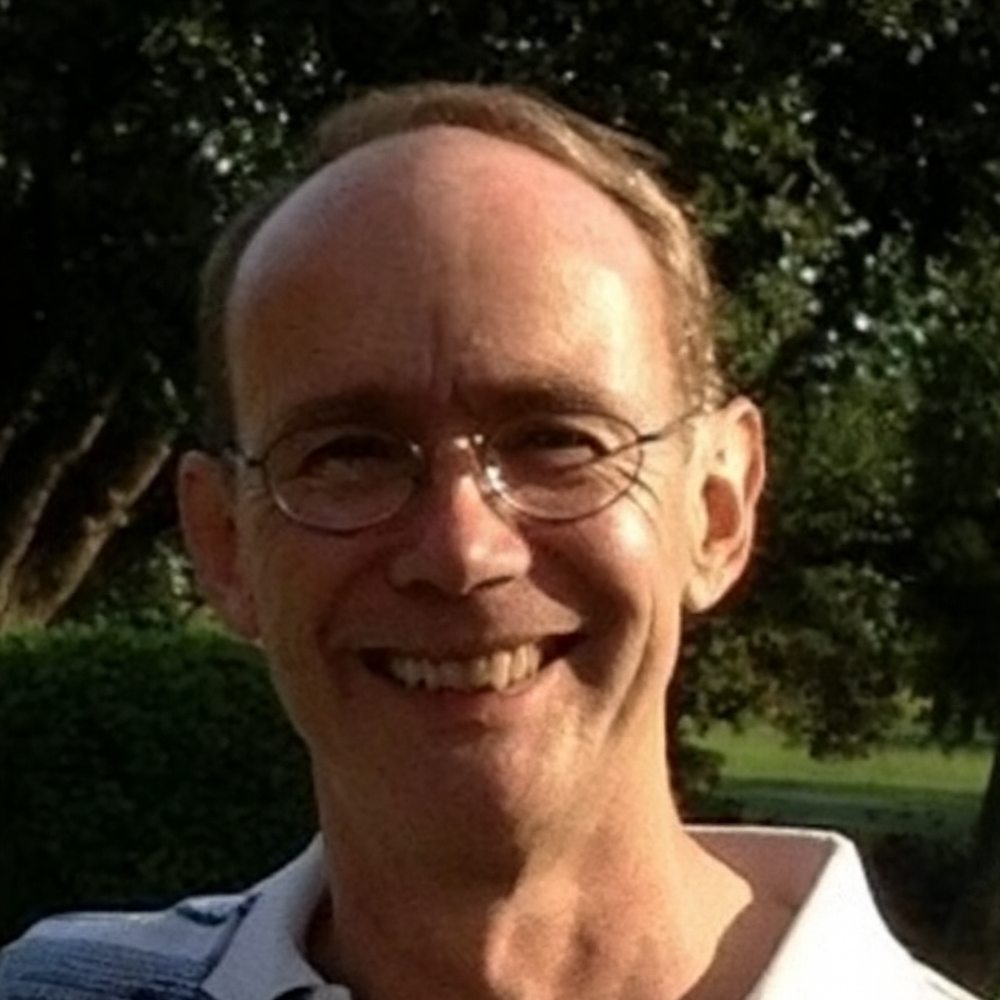
Jeremy managed Telecoms and IT companies in the UK and overseas, and was business consultant to various tech start-ups. His main technical interests are the restoration of vintage equipment and acting as archivist for Pamphonic Reproducers Ltd.
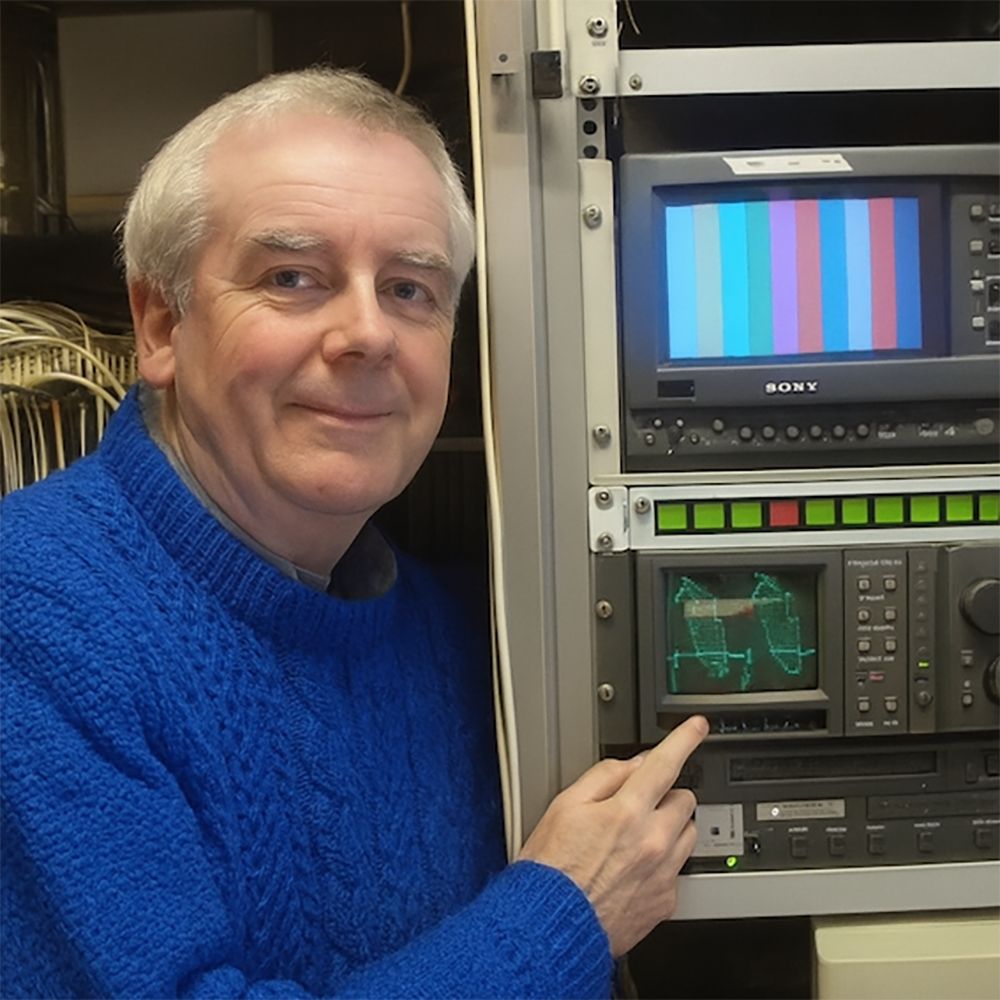
Paul has spent over 35 years as a broadcast engineer, working for the BBC. His technical interests include the preservation and restoration of TV broadcast equipment. He also shoots video for the MCR21 YouTube channel
Andrew Peakin (Ging) has worked for the BBC, since he was selected to train as an electronics engineer, then SIS Ltd took over. Later he formed his own company which specialises in the deployment of small cameras for broadcast programmes.

Info